

Open for Business 24/7: What is E-Commerce and What Can It Do for Your Company?
Maybe a customer asked if they could buy from your website, or a competitor just opened an online store. Here’s

Pizza looks simple. Crust, sauce, cheese, toppings. Then we built an online ordering system for a local pizza restaurant, and every rule the kitchen followed had to become a rule the website could enforce:
At the counter, an intelligent human handles all of that in conversation, sometimes by yelling back to the kitchen to find out if an ingredient has been “86’ed”. Online, the website has to handle it alone.
That’s the difference between a website and an online store. A regular business website explains who you are and gets people to call. A store has to do that and also take the order, calculate tax and shipping, charge the card securely, track inventory, send the receipt and hand the order to whoever fills it. If any link in that chain breaks, the money stops. And it must do it all while surviving relentless attacks from scammer bots and fraudsters trying to test if their stolen credit cards still work so they can use them elsewhere.
We worked with a well-known food and beverage event that sold tickets for more than $400 a person. The marketing worked: thousands of clicks, low cost per click, lots of buzz. Sales didn’t follow. The tickets were sold through the venue’s outside ticketing platform:
A store you control, with a checkout you can see into, avoids all of that.
When a local restaurant launched online ordering with us, business took off. Too many orders landed in the same fifteen minute timeslot, and the kitchen couldn’t keep up. The fix couldn’t be to immediately build a bigger kitchen. We added pickup time slots that limit how many orders each window can take. Before we launch a store, we ask what happens if it works better than expected.
Marketplaces like Etsy, Amazon, eBay and Poshmark bring you shoppers, and they charge for it on every sale:
Fees change often, so check each marketplace’s current rates. This marketplace fee comparison is a good starting point.
Those fees can be your entire margin, and the difference between being profitable and losing money.
On your own WooCommerce store, you pay the payment processor’s fee, usually around 3% plus a few cents, and keep the rest. Many sellers keep a marketplace shop for discovery and bring repeat customers to their own store, where every sale costs less and the customer relationship belongs to you.
Shopify, Wix, Etsy and Squarespace are all fine places to start. Some businesses outgrow them and want more control over customization, costs and data. Some platforms also take a percentage of every sale on certain plans, on top of payment processing, and that adds up as you grow. See the website platforms we work with for more on choosing a platform. We move stores from other platforms to WooCommerce:
Stores need care after launch: updates, backups, speed tuning and security. Our Managed Hosting keeps WordPress and WooCommerce sites running smoothly for our clients, so they can spend their time on orders instead of plugins.
WooCommerce itself is free, open-source software. You pay for hosting, for any paid extensions your store needs (some shipping, subscription and booking features are paid add-ons) and your payment processor’s fee, usually around 3% plus a few cents per sale. There’s no platform percentage on top.
Yes. Many sellers keep a marketplace shop for discovery and send repeat customers to their own store. There are plugins that connect WooCommerce with marketplaces like Etsy, Amazon and eBay, and we’ll tell you whether one fits the way you sell.
Yes. Products, images, customer accounts and past orders come across, and every old URL gets a redirect. Shopify won’t export passwords, so customers set a new one, and we plan those messages with you.
Credit and debit cards through processors such as Stripe, Square or PayPal, plus Apple Pay and Google Pay through those same processors. We’ll help you pick the one with the right fees for your sales.
WooCommerce can calculate tax at checkout, and automated tax services can look up the right rate for each address. That helps in Colorado, where many cities collect their own sales tax. We set it up, and your accountant decides what you owe.
Card-testing bots try stolen card numbers with small orders. We use the payment processor’s fraud tools, bot protection on the checkout and firewall rules in front of the site, and we keep an eye out for unusual order patterns.
More reviews on our Testimonials page and on Google.
Call us at 720-526-3636 or send a note through our contact form. Tell us what you sell and how you sell it now. We’ll ask a lot of questions about your products, because that’s where the hard part of a store lives.

Maybe a customer asked if they could buy from your website, or a competitor just opened an online store. Here’s

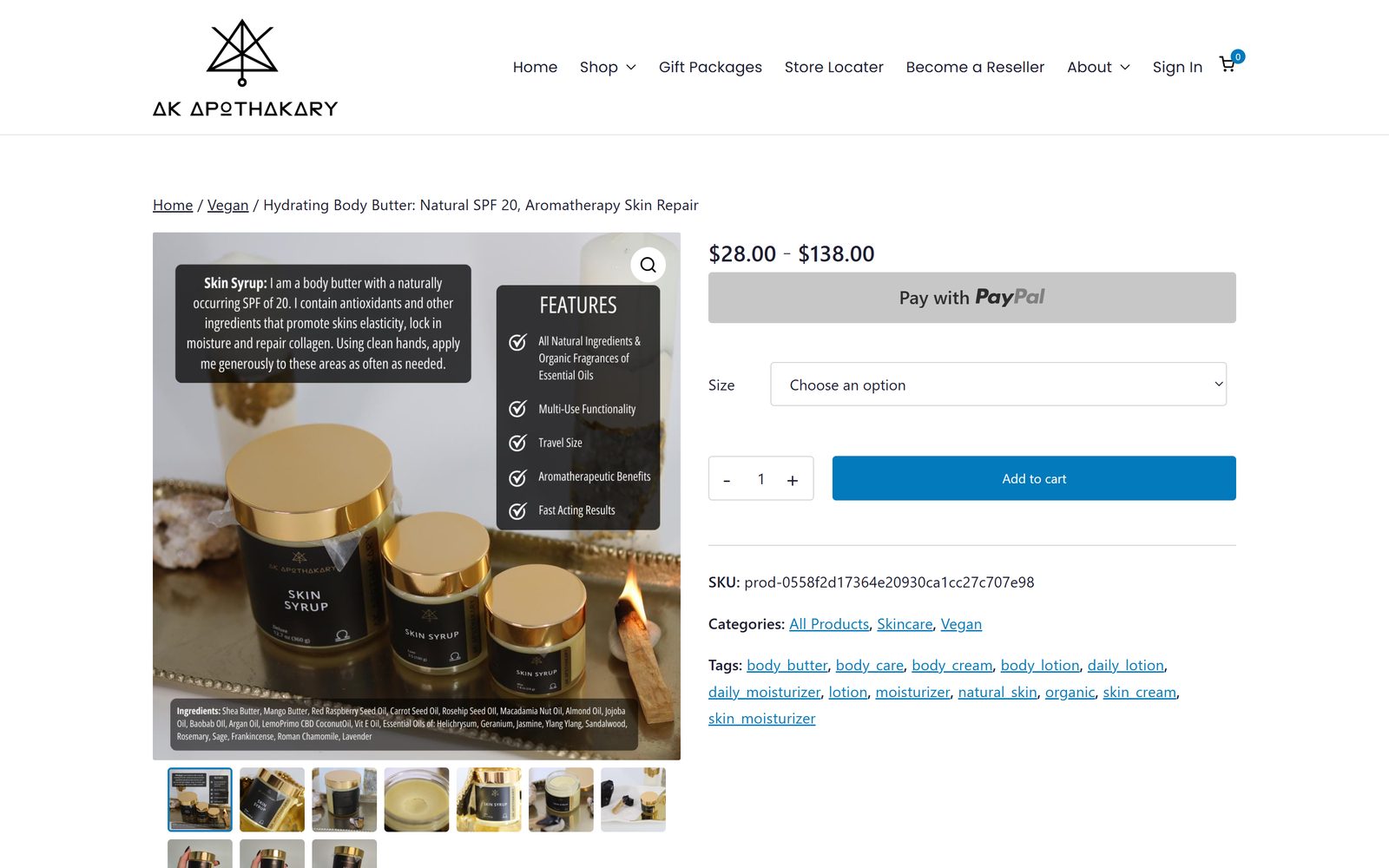
Pizza looks like the simplest thing to sell online. When we built an online ordering system for a local pizza

Adding a Buy Now button turns your website into a working shop. A service site explains who you are and

Outgrowing Shopify? Moving to WooCommerce gives you more control, and it means rebuilding your store in a new system. Here’s
A premium food and beverage event with tickets over $400 had a strong ad campaign and thousands of clicks, but

What would happen if your business suddenly had 100 times more customers? A local restaurant handled an online-ordering rush with
Works well with: Website Design & Maintenance · Website Platforms We Work With · Custom WordPress Development · SEO & Analytics · Digital Advertising
Serving: Evergreen · Conifer · Bailey · Genesee · Morrison · Golden · Lakewood · Wheat Ridge & Arvada · Littleton · Ken Caryl & Highlands Ranch · Denver · the 285 Corridor · and clients everywhere by phone and video